By a contributor
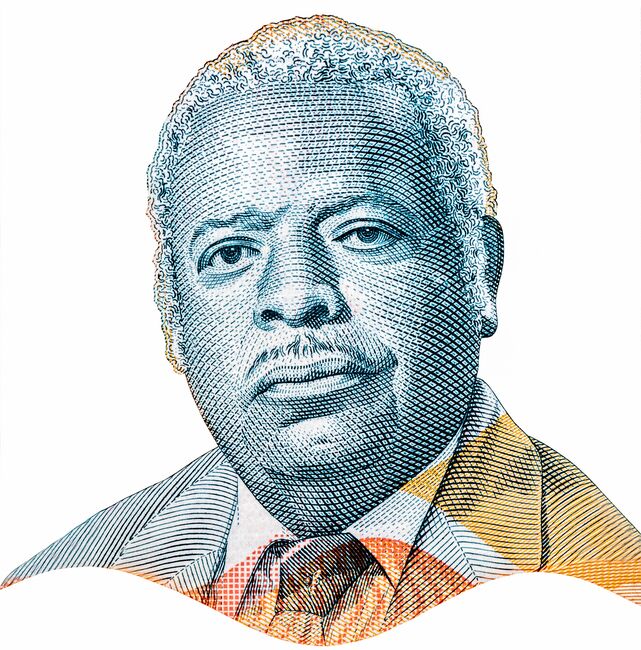
In 1979, Errol Barrow opened the door to republican status but stopped short of walking through it. In 2021, under Mia Mottley, Barbados walked through that door decisively.
The contrast is not merely about timing. It is about constitutional philosophy.
Barrow’s 1979 initiative proposed replacing the British monarch with a Barbadian President, subject to a referendum. It stirred debate. It unsettled traditionalists. It energized nationalists. But structurally, it did not attempt to redesign the machinery of governance. Executive authority would have remained concentrated in Cabinet. The Senate would have remained appointed. The Westminster framework would have endured largely intact.
It was bold in symbolism, cautious in structure.
Fast forward to 2021. Barbados formally became a republic. The monarch was removed. A President replaced the Governor-General. The final symbolic link to the British Crown was severed.
But here is the uncomfortable parallel: structurally, very little else changed.
The Prime Minister remained the dominant executive authority.
Cabinet retained its central role.
The Senate remained appointed.
The electoral system remained first-past-the-post.
The architecture of power was preserved.
The difference lies not in structural transformation, but in political context.
Barrow operated in a period of competitive two-party politics. His constitutional caution existed within a balanced parliamentary environment. Mottley’s reform occurred in a landscape where one party held every seat in the House of Assembly.
That changes the stakes.
When constitutional change happens amid overwhelming parliamentary dominance, questions naturally arise about consultation, mandate, and the concentration of power. Even if the reform is symbolic, the optics are different.
Barrow hesitated to proceed without broader public endorsement. The 1979 referendum was never held. Mottley proceeded through parliamentary supermajority.
One could argue that Barrow deferred to popular ratification, while the modern reform relied on parliamentary arithmetic.
Supporters of the 2021 transition argue that the change fulfilled a long-delayed national aspiration. Critics argue that deeper constitutional reform — Senate restructuring, electoral reform, stronger checks and balances — was again left untouched.
And that is the striking continuity.
Both moments demonstrate a Barbadian pattern: symbolic evolution at the top, structural preservation below.
The real debate is not monarchy versus republic. That question has now been settled.
The real debate is whether Barbados has ever truly confronted the deeper constitutional question: how power is distributed, restrained, and balanced within the system itself.
Barrow opened the constitutional conversation.
Mottley completed the symbolic transition.
Neither fundamentally redistributed executive power.
That may reflect prudence. It may reflect political calculation. Or it may reflect a national preference for stability over structural experimentation.
But if Barbados continues to produce parliaments with overwhelming single-party dominance, the pressure for deeper reform will not disappear.
The republic may have replaced the Crown.
The structure of power remains unmistakably Westminster — and unmistakably concentrated.
And that, more than symbolism, is where the next constitutional debate will be fought.