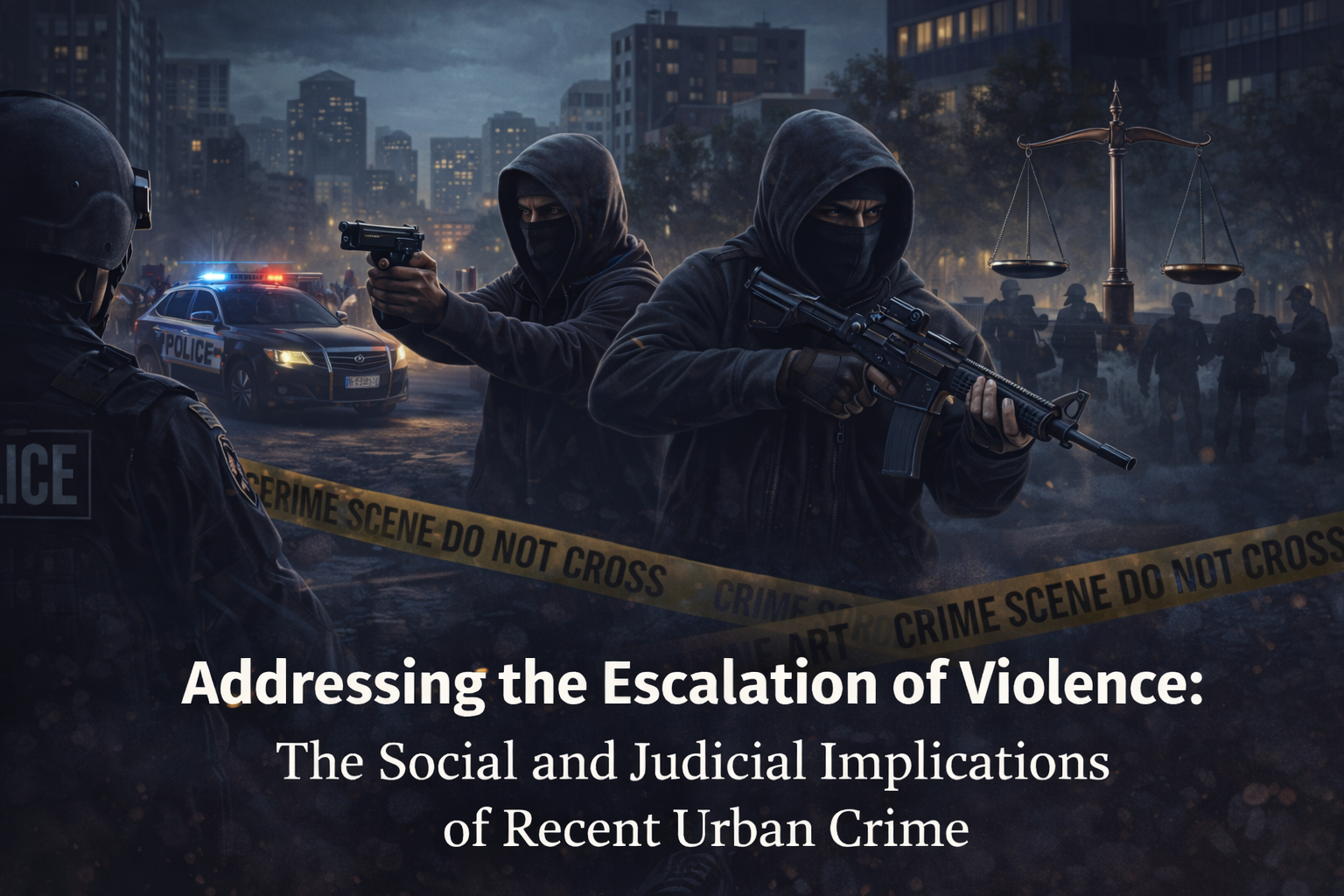
The following summary examines the rising concerns surrounding violent crime in Barbados, using recent events as a catalyst for a broader discussion on public safety and the legislative response required to maintain the island’s reputation for stability. Reports from the final days of 2025 indicate a persistent challenge for law enforcement in high-traffic urban centers, where interpersonal conflicts are increasingly escalating into violent encounters.
A recent incident on Tuesday, December 30, 2025, serves as a focal point for this concern. According to press reports, an altercation between two men occurred during the mid-afternoon on lower Broad Street, Bridgetown. The confrontation resulted in one individual sustaining multiple wounds. While ambulance personnel and police from the Central Station responded swiftly to the scene, the brazen nature of a violent crime occurring at 3:25 p.m. in the heart of the capital city underscores the current pressures on the Royal Barbados Police Force. A person of interest is currently assisting with investigations as the victim undergoes treatment at the Queen Elizabeth Hospital.
This event is not an isolated occurrence but part of a wider trend that has dominated the public discourse throughout the year. Data from various media outlets suggests that the nature of violence in the country has shifted, with weapons being more frequently deployed during daytime hours in areas previously considered safe for both locals and tourists. The financial and social costs of these crimes are substantial, placing an increased burden on the healthcare system and necessitating a higher security presence in commercial districts. This shift has led to calls for more robust community policing and a faster judicial process to act as a deterrent to would-be offenders.
To address the spate of violence, a multifaceted approach is required that moves beyond reactive policing. Sustainable solutions must involve addressing the root socio-economic causes of conflict, alongside the implementation of modern surveillance technology and increased lighting in urban zones. By fostering a collaborative environment between the business community, law enforcement, and social services, the state can work toward restoring a sense of security. Ensuring that the judicial system can handle cases with greater efficiency remains a priority to ensure that these incidents do not undermine the island’s economic or social foundation.