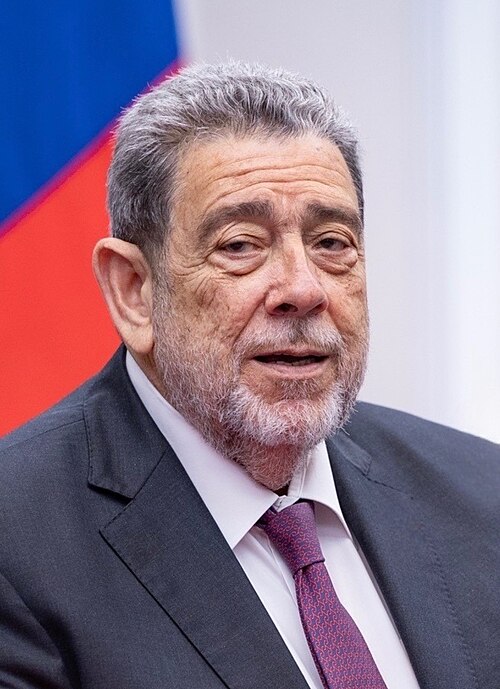
As the Caribbean landscape continues to shift in the wake of the historic regional events of early 2026, a new political reality has taken hold in Kingstown. Following the landslide victory of the New Democratic Party (NDP) in late 2025, Dr. Ralph Gonsalves has transitioned from his role as the world’s longest-serving democratic leader into his new position as the Leader of the Opposition in St. Vincent and the Grenadines.
From his new seat in the House of Assembly, Dr. Gonsalves has emerged as a vocal critic of the recent United States military intervention in Venezuela, known as Operation Absolute Resolve.1 The former Prime Minister, long known for his staunch defense of Caribbean sovereignty and his close personal ties to the Maduro administration, has expressed deep skepticism regarding the legality of the extraction of Nicolás Maduro. In recent statements, Gonsalves characterized the intervention as a “dangerous precedent” for the region, arguing that the stability of the Caribbean is best served through internal dialogue rather than external force.
Dr. Gonsalves has also drawn sharp parallels between the current U.S. judicial proceedings against Maduro and the criticisms leveled at the New York legal system by American politicians themselves. He has publicly questioned whether a foreign leader can receive a fair trial in a jurisdiction that has been described as “politically weaponized” by various international observers. This stance places him in direct opposition to the new government led by Prime Minister Godwin Friday, which has signaled a more moderate and cooperative approach toward Washington and a potential shift in the island’s long-standing foreign policy alliances.
The tension in Kingstown reflects a broader debate occurring across CARICOM, where leaders are struggling to balance their commitments to non-interference with the reality of a transformed South American political map. While the new administration under Prime Minister Friday focuses on domestic economic reforms—including the controversial proposal for a Citizenship by Investment (CBI) program—Dr. Gonsalves has vowed to use his platform as Opposition Leader to ensure that the “voice of the poor and the marginalized” remains central to the national discourse. He has cautioned that the loss of preferential oil agreements and the introduction of new geopolitical pressures could leave small island states like St. Vincent vulnerable to economic shocks.
Despite his party’s significant loss in the 2025 polls, where the ULP retained only a single seat, Dr. Gonsalves remains a formidable figure in Caribbean politics.2 His presence in the opposition benches ensures that the Friday administration will face rigorous scrutiny on issues ranging from regional integration to the protection of national assets. As the Caribbean navigates this “new era” of 2026, the veteran politician’s critiques serve as a reminder that while governments may change, the debate over sovereignty and international justice in the West Indies is far from settled.