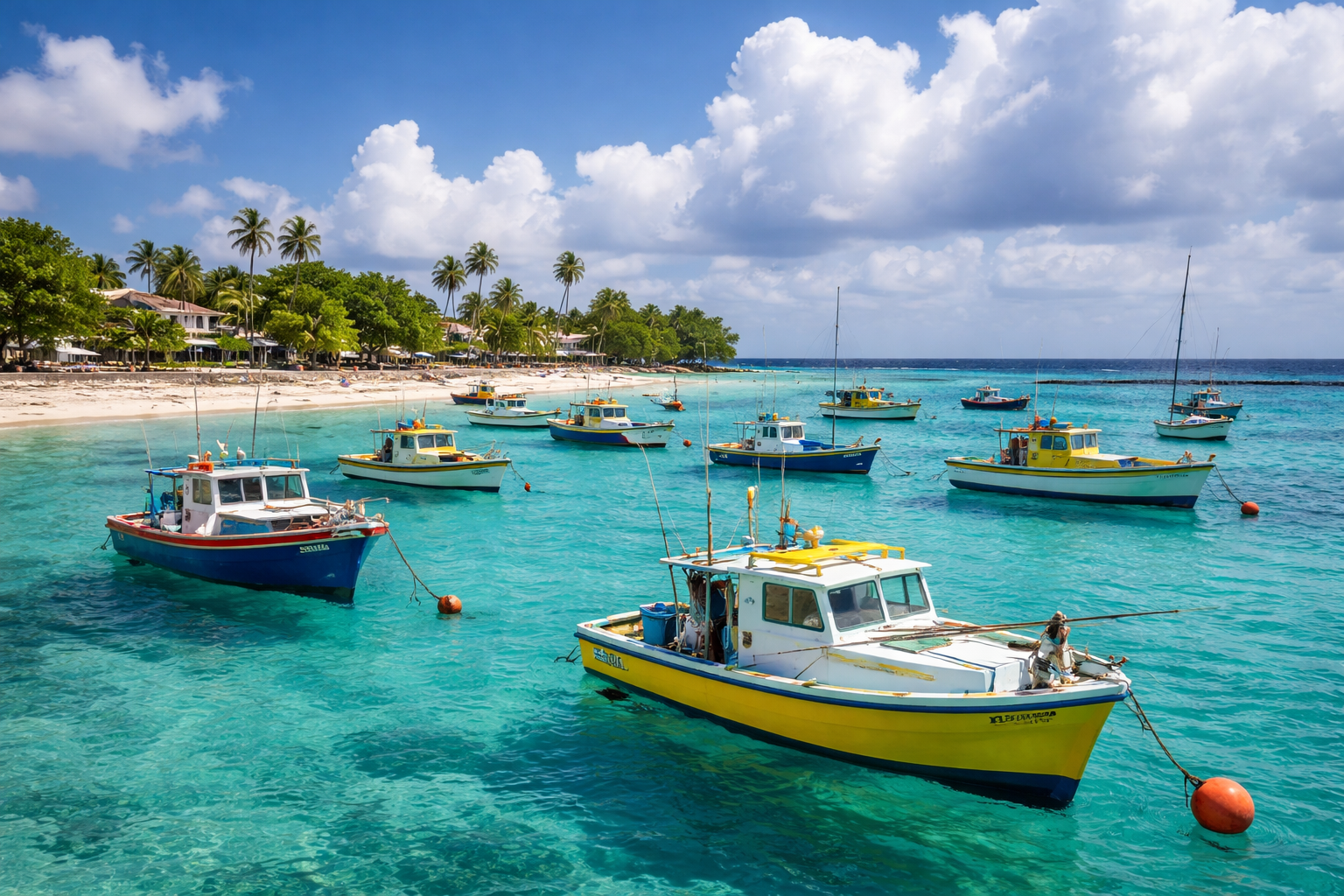
The catastrophic impact of Hurricane Beryl has exposed a critical misalignment between the traditional Barbadian fishing industry and the formal systems required to sustain it. Recent press reports indicate that while the sector is undergoing a slow recovery, it is currently hampered by an insurance framework that fails to account for the unique risks of commercial activity. Existing marine policies generally exclude coverage for expensive fishing gear and do not extend to vessels operating in international waters beyond the 200-mile economic zone. This lack of specialized protection leaves the fleet vulnerable to both natural disasters and the financial unpredictability of seasonal catches.
The physical recovery of the fleet remains a significant hurdle as well. Although state-funded grants have provided initial relief, many vessel owners find that the actual cost of repairs far exceeds the available aid. This financial strain is compounded by operational bottlenecks at major harbours, including shortages of ice and bait, as well as the ongoing need for modern haul-out facilities and breakwater repairs. These infrastructure gaps, combined with changing sea conditions and shifting fish migrations, have created a situation where even sea-ready vessels struggle to maintain consistent operations.
Despite these challenges, the industry is moving toward a more professionalized model through the integration of technology and improved safety standards. The adoption of satellite communication tools has enabled constant contact between land and sea, mitigating risks associated with both weather and regional geopolitical tensions. To ensure long-term stability, it is imperative that a national commercial fishing policy is established—one that aligns insurance premiums with seasonal income cycles and provides a clear timeline for infrastructure completion. A collaborative approach between the state, the insurance sector, and the fishing community is essential to building a resilient blue economy that can withstand future climate events.